6 Ways to Save Energy: A Complete Homeowner's Guide
Energy costs represent one of the most significant and controllable expenses in the average household budget. Unlike mortgage payments or property taxes, electricity and gas bills respond directly to behavioral changes and strategic investments in efficiency upgrades. The good news is that the most impactful energy-saving measures are often the simplest and least expensive to implement.
This comprehensive guide presents six evidence-based strategies for reducing home energy consumption, drawn from research conducted by the U.S. Department of Energy, the Environmental Protection Agency's ENERGY STAR program, and independent energy efficiency organizations. Whether you own your home or rent, live in a large house or a small apartment, these approaches can help you achieve meaningful, lasting reductions in your energy bills.
1. Upgrade to LED Lighting Throughout Your Home
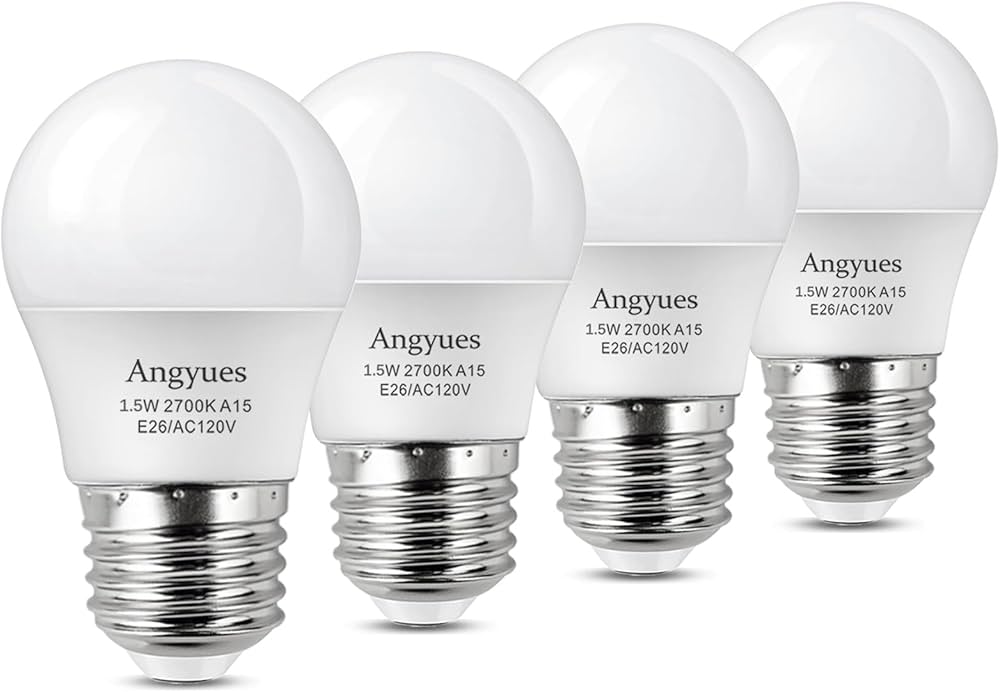
Lighting accounts for approximately 15% of the average home's electricity consumption, making it one of the most accessible targets for efficiency improvement. The transition from incandescent or compact fluorescent lighting to LED technology delivers dramatic energy savings with minimal upfront investment and zero disruption to daily life.
Modern LED bulbs consume 75% to 80% less electricity than the incandescent bulbs they replace, while producing equivalent or superior light quality. A 10-watt LED bulb produces the same light output as a 60-watt incandescent, delivering an 83% reduction in energy consumption for that single fixture. Across an entire home with 30 to 40 light fixtures, this translates to savings of $150 to $250 per year on electricity costs alone.
Beyond energy savings, LED bulbs offer dramatically extended operational lifespans. While a standard incandescent bulb lasts approximately 1,000 hours, quality LED bulbs are rated for 15,000 to 25,000 hours — meaning a bulb installed today might still be functioning 20 years from now. This longevity eliminates the recurring cost and inconvenience of frequent bulb replacements.
2. Install a Programmable or Smart Thermostat
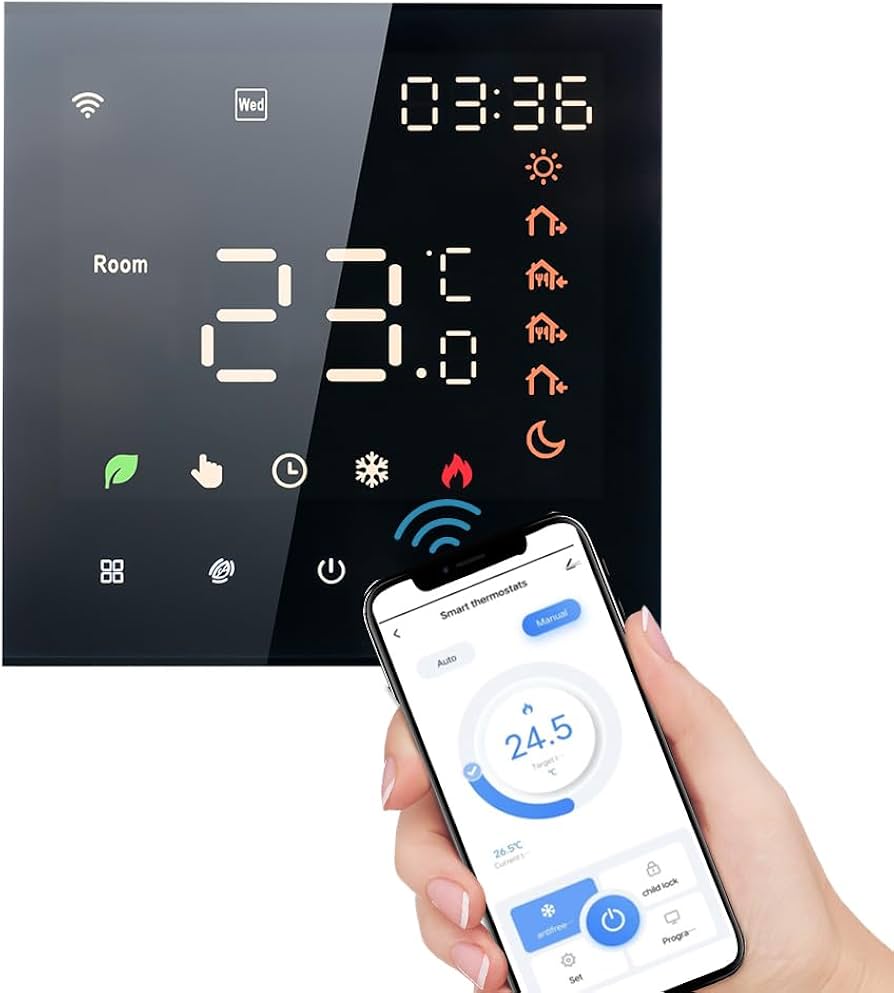
Heating and cooling represent the single largest category of residential energy consumption, accounting for 43% of the average home's energy use according to the U.S. Energy Information Administration. The thermostat is the control center for this massive energy expenditure, and upgrading from a basic manual thermostat to a programmable or smart model is one of the highest-return investments available to homeowners.
A programmable thermostat allows you to set different temperature schedules for different times of day and days of the week, automatically adjusting to energy-saving setpoints when the house is unoccupied or when occupants are sleeping. The EPA's ENERGY STAR program estimates that a properly programmed thermostat can save homeowners up to $180 per year on heating and cooling costs.
Smart thermostats take this concept further by adding learning algorithms, occupancy detection, and remote control capabilities. These devices observe your schedule and preferences over time, automatically optimizing temperature settings without requiring manual programming. Many smart thermostats also provide detailed energy usage reports and connect to local weather forecasts to anticipate heating and cooling needs before extreme temperatures arrive.
3. Seal Air Leaks and Improve Insulation
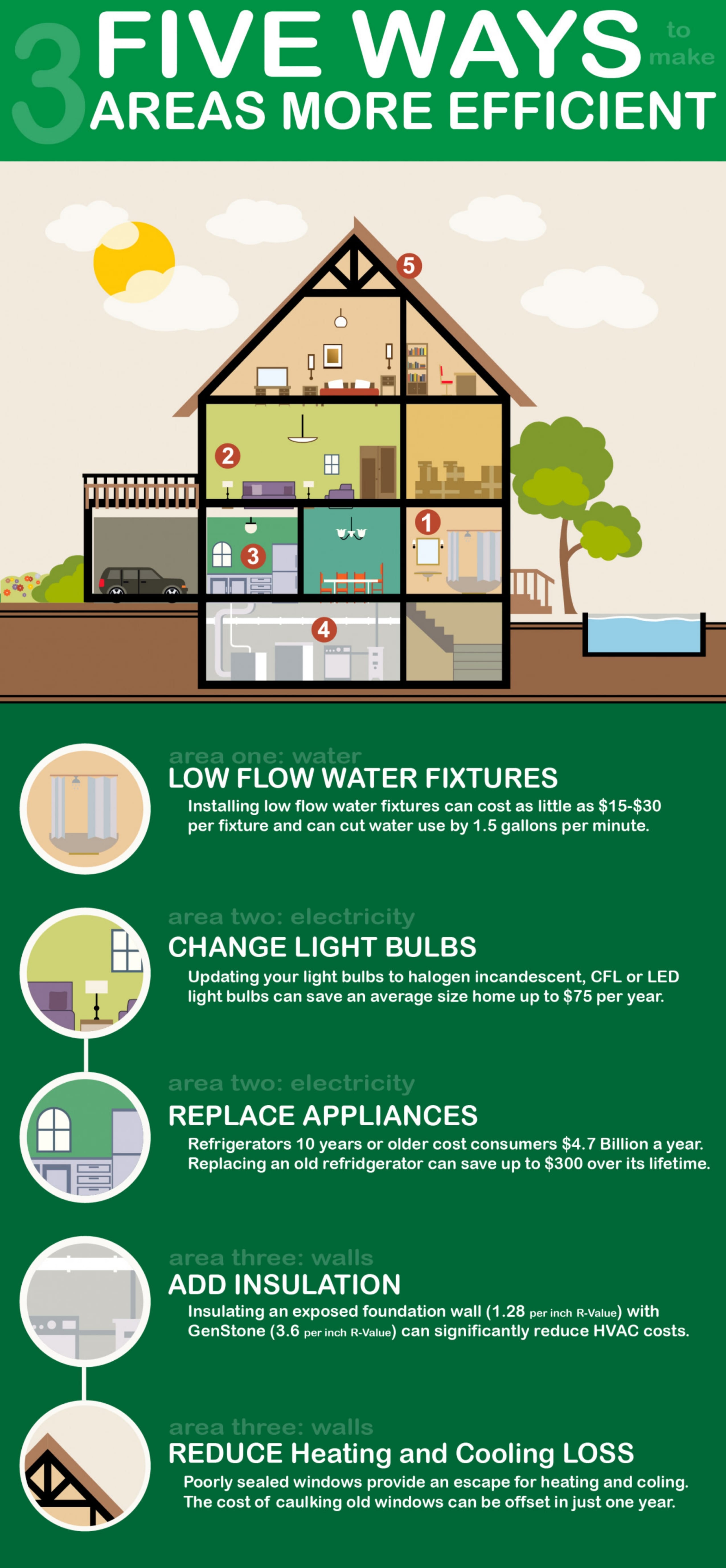
Air infiltration — the uncontrolled movement of outdoor air into and conditioned air out of your living spaces — is responsible for 25% to 40% of the energy used for heating and cooling in a typical home. Gaps around windows and doors, penetrations for plumbing and electrical wiring, and inadequate insulation in attics and walls all contribute to this invisible energy drain.
The most cost-effective air sealing measures involve caulking and weatherstripping around windows and doors, sealing gaps around electrical outlets and switch plates on exterior walls, and addressing penetrations where pipes and wires pass through walls and ceilings. These materials cost just a few dollars per window or door and can be applied by any homeowner without professional assistance.
For more comprehensive improvements, adding insulation to an under-insulated attic is typically the single highest-return energy efficiency investment available to homeowners. The Department of Energy estimates that properly insulating and air sealing an attic can reduce heating and cooling costs by 10% to 50%, depending on the existing insulation level and local climate.